Katherine Gorge Plants & Wildlife
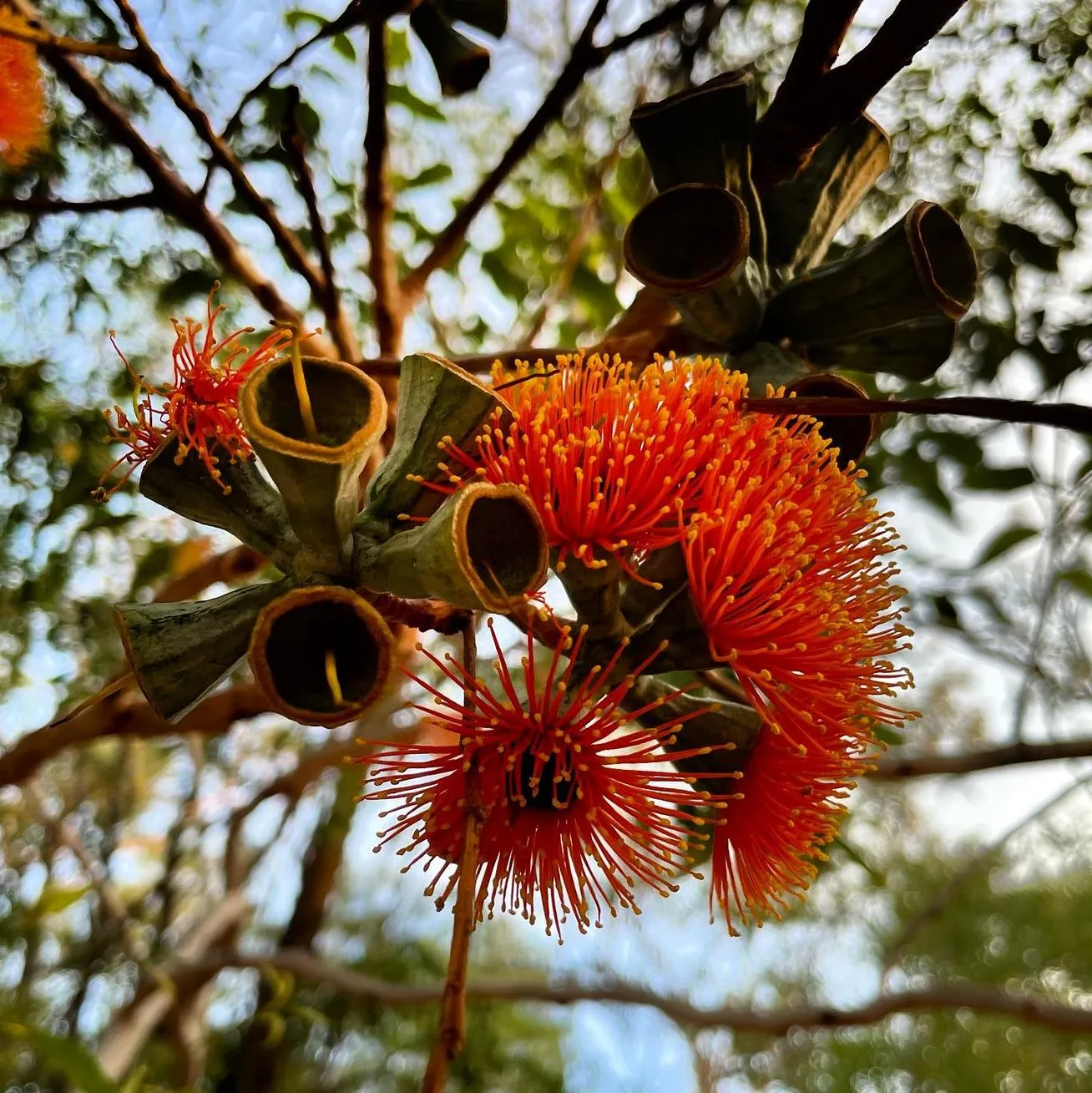
Katherine Gorge in the heart of Nitmiluk National Park in Australia’s Northern Territory is a living tapestry of biodiversity. This ancient landscape carved by the Katherine River over millions of years is home to an incredible array of plants. Each of its ecosystems – rocky escarpments, monsoon forests, woodlands and riverbanks – has its own unique range of plants many of which are endemic to the area.
A Katherine Gorge tour from Darwin is a rare opportunity to see this ecosystem up close and get a deeper understanding of the gorge’s plant life.
Adapted to the Top End’s extreme seasons – dry and wet – the flora of Katherine Gorge is a testament to nature’s resilience. From towering Eucalyptus to the delicate turmeric plant this botanical wonderland is shaped by soil, season and deep cultural connection to the land.
Contents
1. Sandstone Escarpment Flora

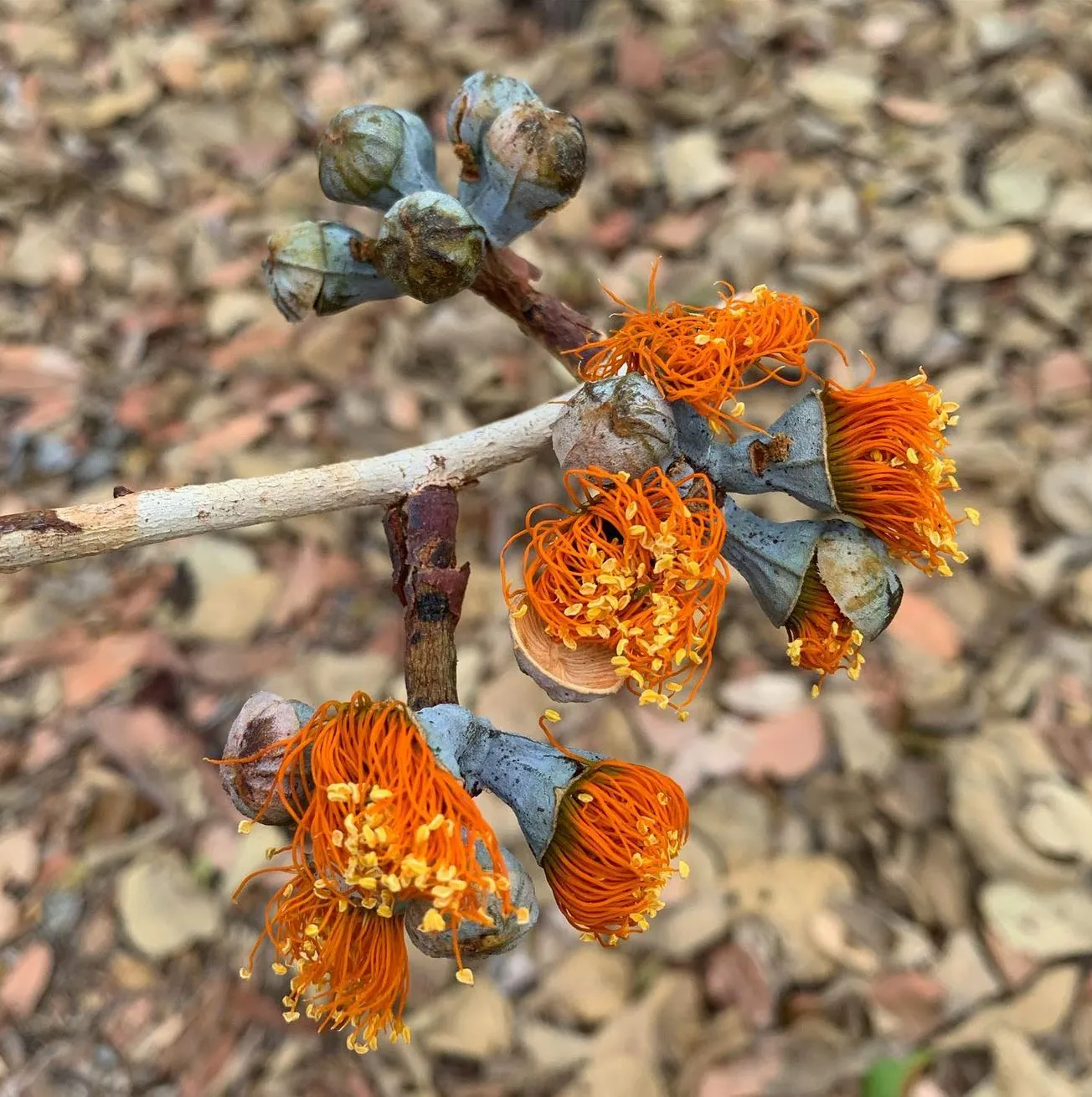
The sandstone escarpments, rock walls and rock platforms that define Katherine Gorge are more than just scenic – they support some of the toughest plants in Australia. These outlier plants can thrive in extreme heat, coarse soil and rock fissures where water is scarce.
- Spinifex grasses – These spiky, tall grasses are the dominant plant species in arid areas, holding the soil together and surviving without water.
- Eucalyptus species – Especially Eucalyptus miniata and Eucalyptus tetrodonta with fragrant leaves and broad leaves these iconic trees dominate the escarpment landscape. They can withstand heat and limited rainfall with deep roots and oily leaves.
- Acacias and Grevilleas – Their bright orange flowers bloom in the dry months and provide nectar for pollinators. They are perfect examples of plants that can survive in sandy soil and daily heat.
- Rock figs and native ferns – These amazing plants cling to rock walls and shelters, often found in deep crevices where a hint of moisture remains even in the dry season.
For travellers taking a Katherine Gorge tour the escarpments offer stunning views layered with botanical wonder.
2. Monsoon Forests
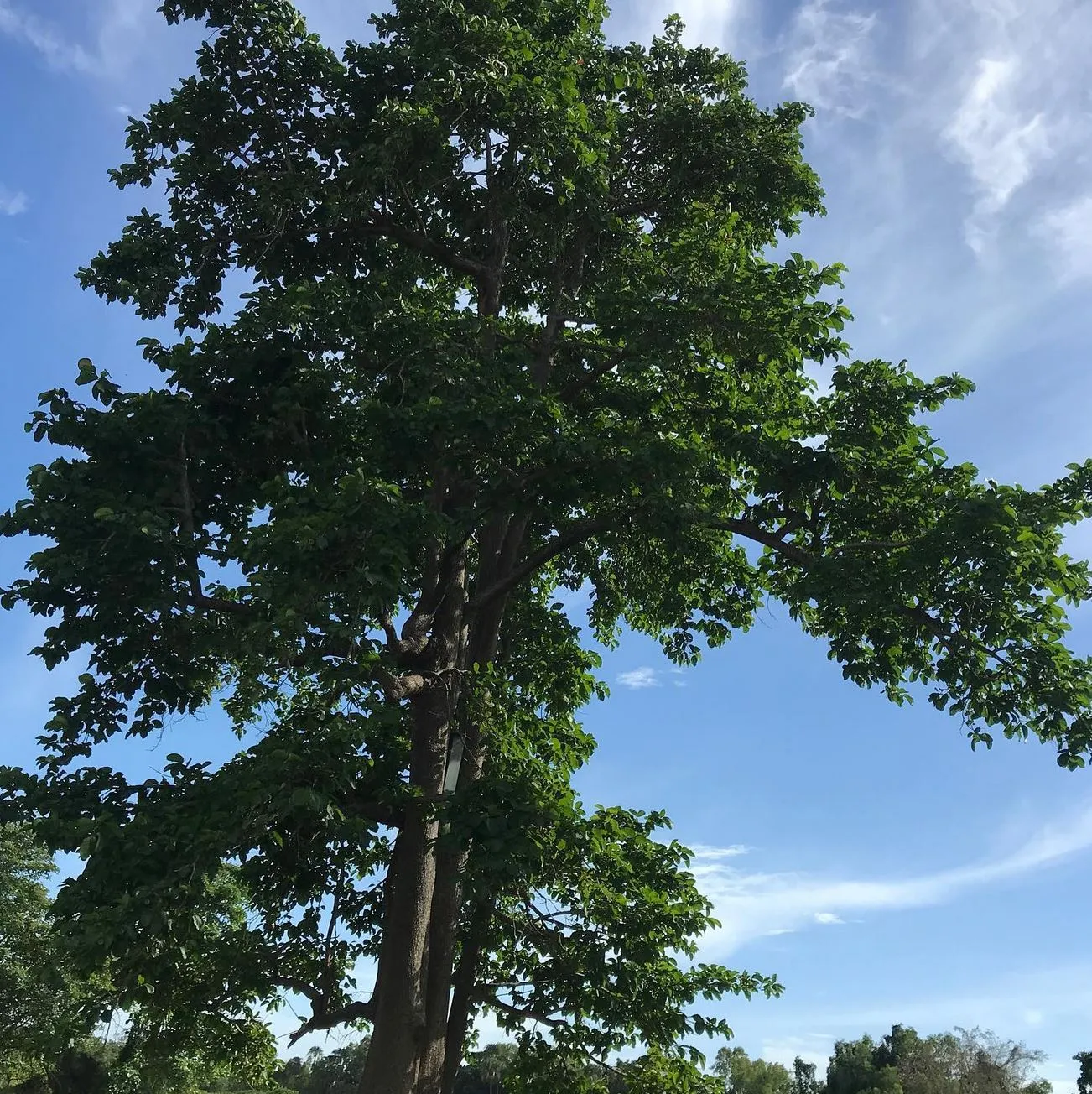
Hidden in the shaded pockets of the gorge are monsoon forests, vibrant ecosystems that come alive in the wet season. These forests rely on the water that flows down from the escarpments and collects in the valleys.
- Leichhardt tree (Nauclea orientalis) – A shady tree with broad, fragrant leaves and yellow spheres. Seen near waterways.
- Sandpaper fig (Ficus opposita) – Rough texture and edible fruit, essential for animal and traditional use.
- Turmeric plant – One of the amazing plants that thrives in moist soil after the rains, contributes to biodiversity and bush medicine.
- Native yam (Dioscorea transversa) – Harvested by Indigenous Australians for generations, becomes a resource during cooler months and end of wet season.
These areas also support endemic animals like the short-eared rock wallaby that shelter and feed in the foliage especially during breeding season.
3. Riverbank and Wetland Vegetation
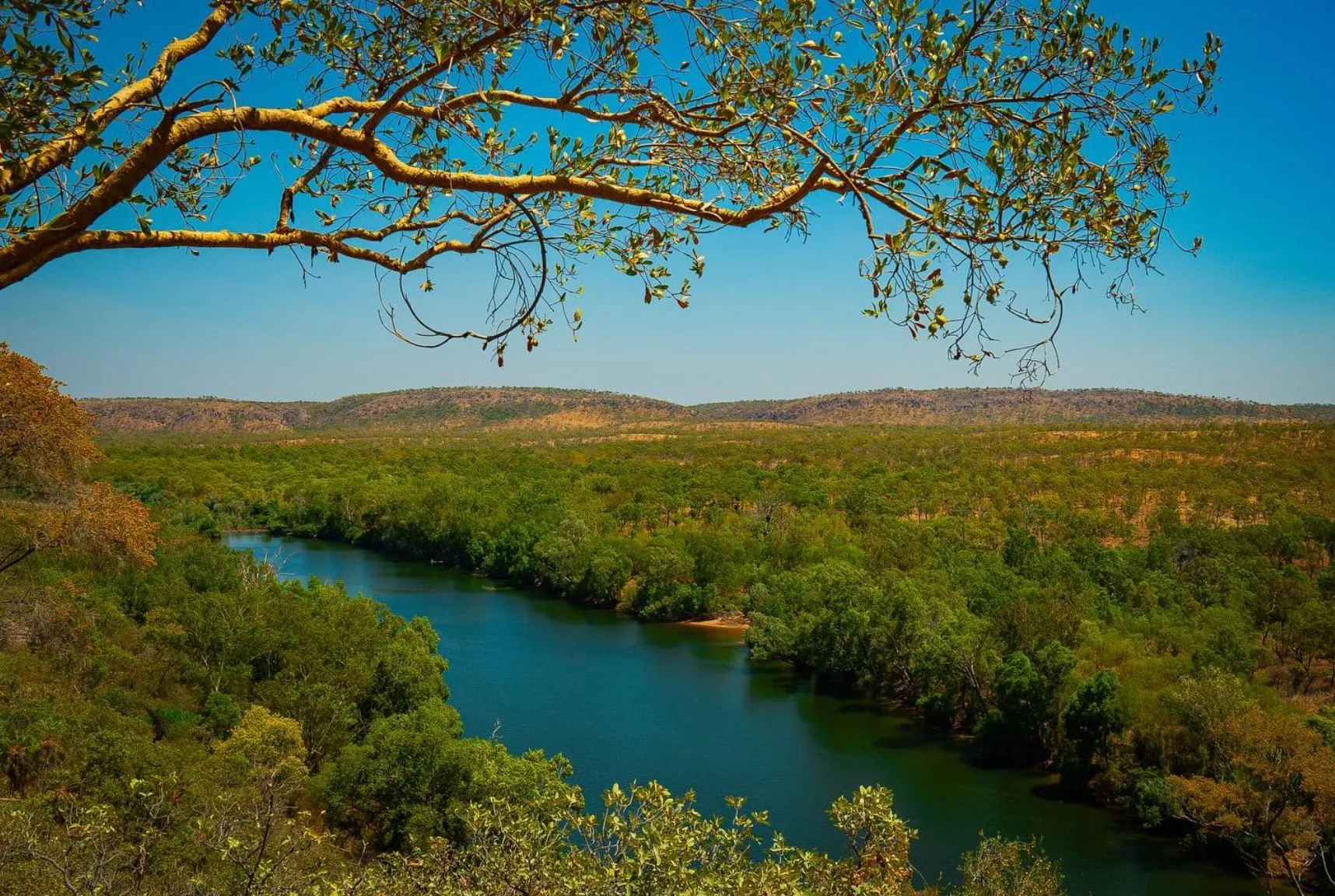
The Katherine River banks are full of aquatic plants and vegetation that respond quickly to changes in water level. These areas are breeding grounds for plant and animal life.
- Pandanus spiralis – Spiralled leaves for erosion control on river banks and river beds. Grows in clusters along larger rivers especially where water is permanent.
- Melaleuca (paperbark trees) – Broad leaves and soft bark, shady trees that maintain soil moisture. Found in flood-prone areas and used for medicine by country partners.
- Water lilies and other aquatic plants – Floating species that thrive in slow moving or still water, flourishes during wet season.
- Freshwater mangroves – Where fresh and brackish water mix, add to the array of plants that contribute to this region’s wetland health.
Many visitors who do the Katherine Gorge tours from Darwin are amazed by the contrast between these lush riverbanks and the arid escarpments just a short walk away.
4. Woodland Species

Open woodland areas around the gorge show a completely different range of flora. These ecosystems are shaped by seasonal leaf litter, soil types and local wildlife grazing patterns. Kapok bush (Cochlospermum fraseri) – Bright orange flowers during dry season, can be seen on flat land and elevated areas.
- Bloodwood trees (Corymbia opaca) – Red sap and rough bark. Food and nesting site for birds and insects.
- Native grasses and herbs – Tall grasses that grow after the wet season. For a couple of months they thrive on sandy and coarse soils before the heat of the day returns.
- Fragrant understory plants – Many woodland herbs and low shrubs have fragrant leaves that release scent when crushed, helps pollinators and deters herbivores.
Animal feet, especially marsupials and reptiles, help disperse seeds through these woodlands, helps in regrowth of plants after seasonal fires or floods.
5. Seasonal Shifts and Botanical Adaptation
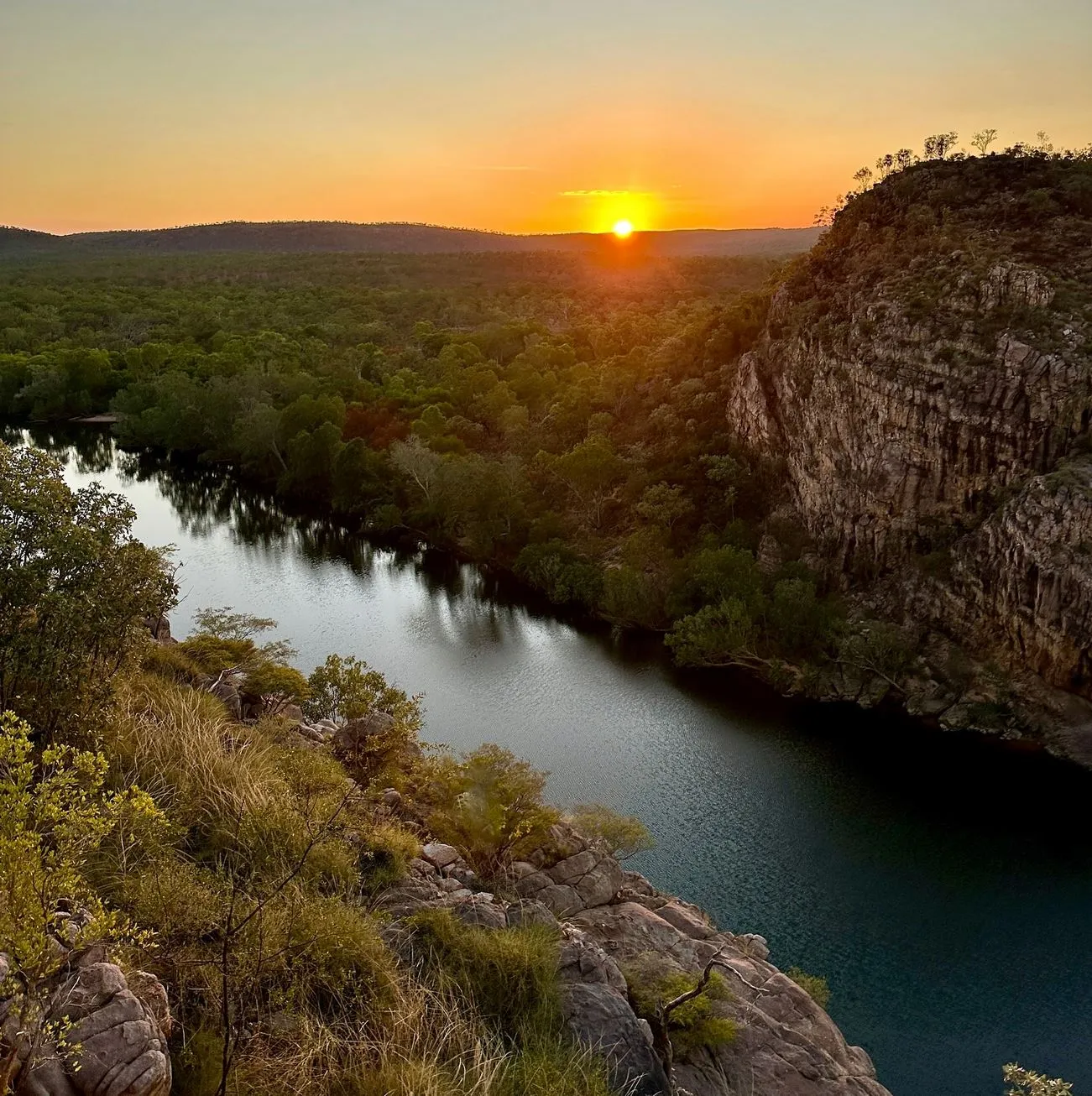
Katherine Gorge has two main seasons: wet and dry. These extreme weather changes affect not only the flow of the Katherine River but also the behaviour and growth cycles of the local flora.
In the wet season, the water is abundant and the landscape is green and flowering with plants, aquatic vegetation and leafy canopies. It’s a time of reproduction and regeneration for both flora and fauna. Many animals breed during this time.
In the dry season, the landscape changes. Water levels drop and only the toughest species survive the heat. Many plants go dormant or produce seeds that can withstand months of dryness. Leaf litter becomes more prominent and some broad leaved plants drop their leaves to reduce water loss.
These natural cycles are essential for the health of the ecosystem and for the range of plants in Katherine Gorge to continue to thrive year after year.
Cultural Significance of Native Plants
For the Jawoyn people, the traditional owners of Nitmiluk, the plants of Katherine Gorge are more than food and medicine – they are a sacred connection to the country. Each plant species has a role in Dreamtime stories, ceremonies and seasonal practices.
Country partners and local Indigenous guides help preserve and share this rich botanical knowledge. Whether it’s using melaleuca bark to wrap food, digging for native yams or understanding the signals of plant flowering to mark animal breeding cycles, the connection to the country is alive and well.
A Katherine tour often includes the opportunity to learn from Indigenous guides and get a glimpse into the deep connection between plant life and cultural heritage.
Protecting the flora of Katherine Gorge is about protecting cultural identity, biodiversity and environmental sustainability. Even in tough conditions these plants are still telling the story of survival and adaptation.
FAQ
What is the most common plant in Katherine Gorge?
Spinifex grasses and Eucalyptus species are the most common and dominant plants, especially on escarpments and woodlands.
Are any of the plants in Katherine Gorge used by Indigenous Australians?
Yes, many native plants such as yams, turmeric, paperbark trees and figs are used for food, medicine and cultural practices by the Jawoyn people.
When is the best time to see the flora in bloom?
Best time is during the early dry season (May to July) just after the wet season. During these couple of months there is still plenty of water in the landscape and everything is flowering and active.
Are guided plant tours available in Nitmiluk National Park?
Yes. Local Indigenous guides offer tours that explore the plants of the region, share their cultural significance and explain how different plant material is used. Many of these can be done as part of a Katherine Gorge tour from Darwin.
Can I collect plants or seeds from the park?
No, the collection of any plant material is not allowed. This is to protect endemic plants, preserve biodiversity and respect the cultural heritage of Nitmiluk National Park.