What Makes Kakadu’s Nature So Special?
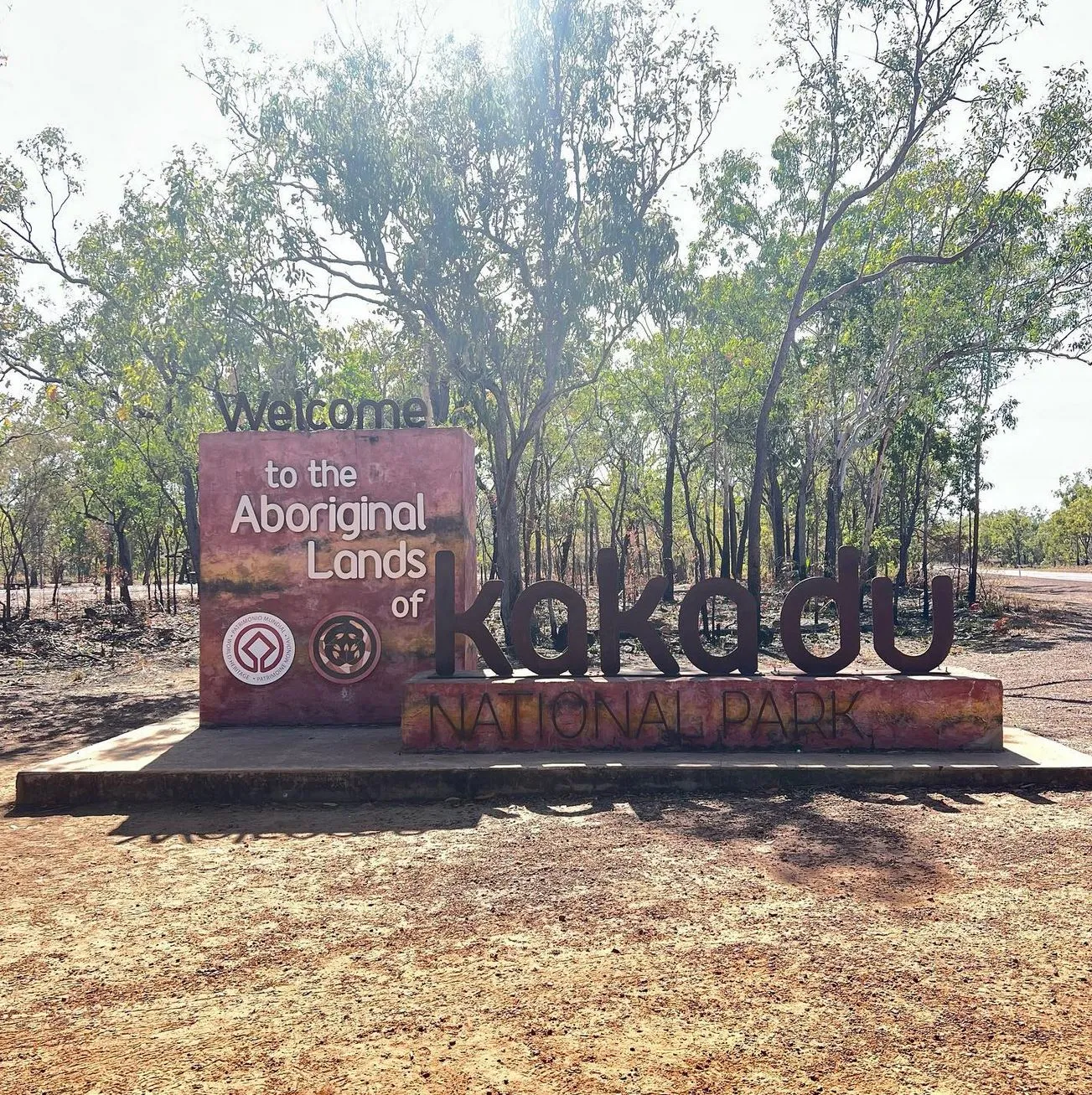
Kakadu National Park is one of Australia’s most amazing natural wonders. Spanning nearly 20,000 square kilometres in the Northern Territory, this UNESCO World Heritage Site is famous for its landscapes, culture and significance. As one of Australia’s largest national parks, it has many natural and cultural values. What makes Kakadu so special is how it brings its ecosystem to life – from ancient rock art to crystal clear waters, from diverse plant species to seasonal transformations. Let’s get into what makes this a lifetime experience.
Contents
Ecosystems and Landscapes
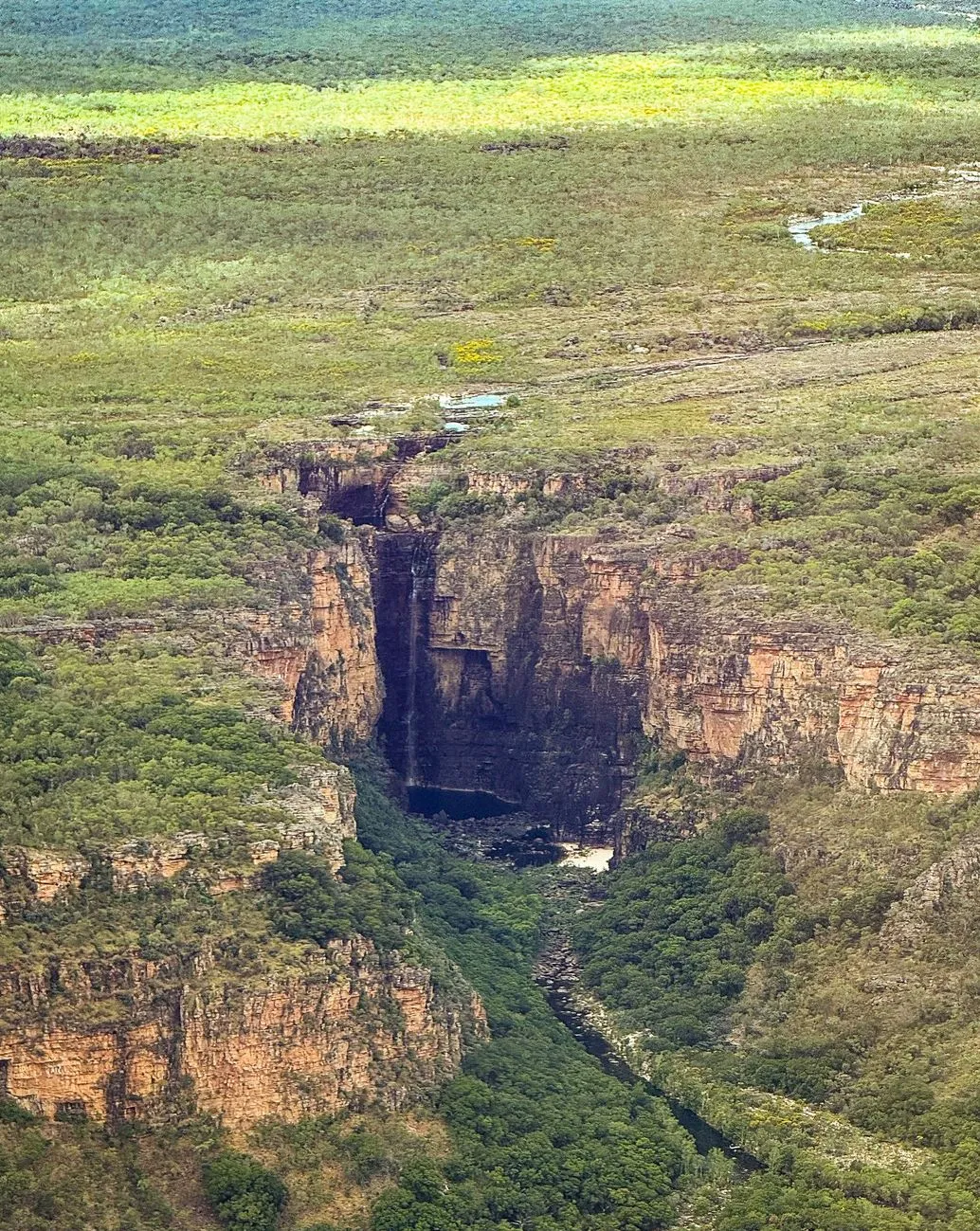
Kakadu has an incredible variety of ecosystems within its boundaries. Visitors can explore floodplains, tropical rainforests, rainforest pockets, monsoon forests, aquatic ecosystems, sandstone escarpments and mangrove swamps. These ecosystems support a thriving freshwater ecosystem with countless fish species, endemic plants and both freshwater and saltwater crocodiles. Each ecosystem reveals a different side of Kakadu’s natural beauty.
The landscape changes dramatically through the seasons. The wet season (November to April) brings rushing rivers and famous falls, while the dry season (cold weather) reveals wide open spaces, calm billabongs and more access to remote sites. Whether you’re hiking through savannah woodlands or taking a boat cruise across calm waters, Kakadu is an experience like no other. Many visitors choose to explore the park on 3 day Kakadu tours from Darwin which gives you the perfect mix of adventure, cultural education and wildlife encounters.
Wildlife and Bird Species
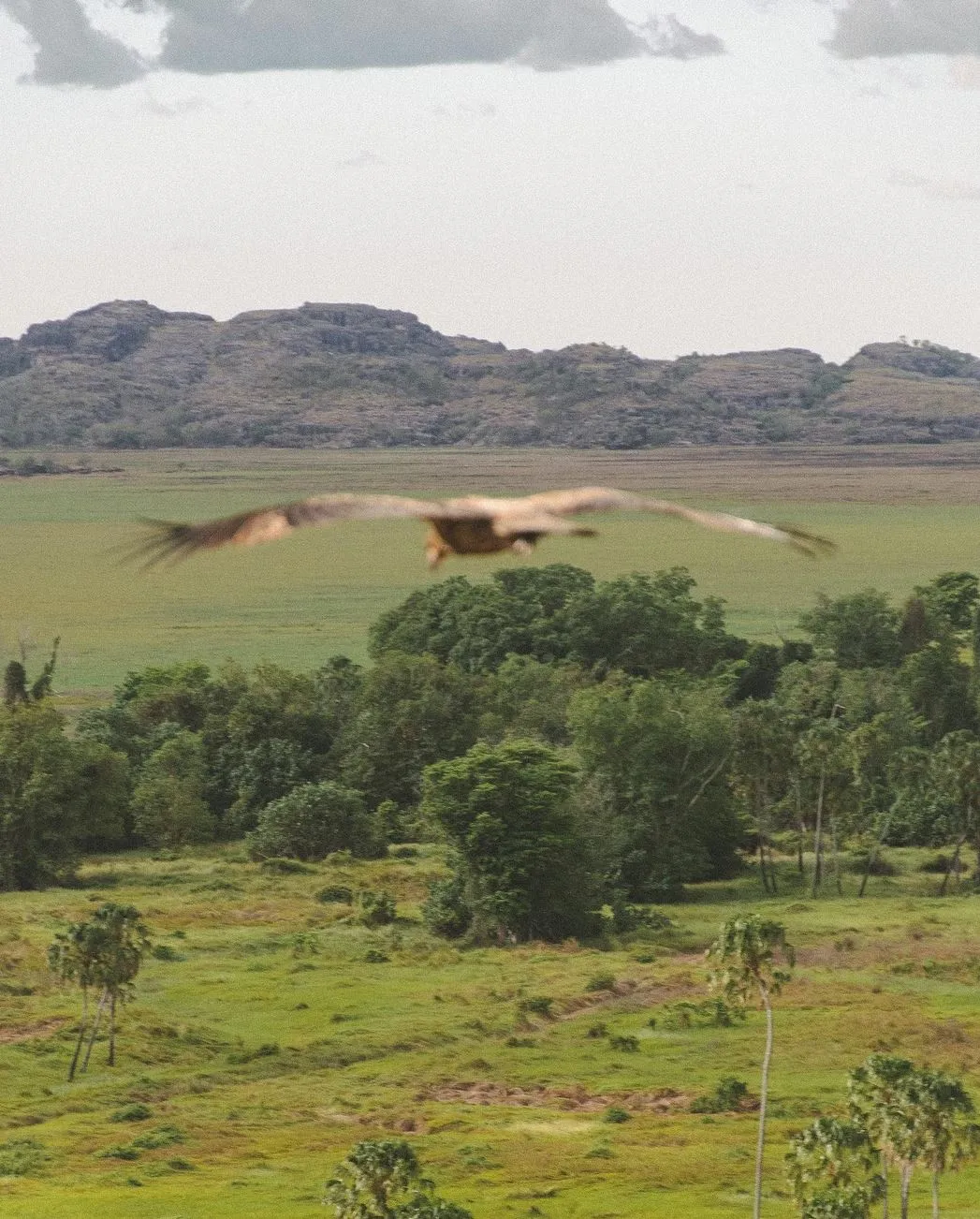
Kakadu is a sanctuary for an incredible variety of wildlife. With over 280 bird species including jabiru, brolga and rainbow pitta, it’s a birdwatcher’s paradise. Reptiles are also abundant – geckos, pythons and the iconic saltwater crocodile. The abundance of aquatic habitats provides shelter for over 50 species of freshwater fish including barramundi and archerfish.
Wildlife encounters are one of the best parts of visiting Kakadu. Travellers often report unforgettable sightings on scenic flights, boat tours or guided excursions with companies like Wildlife Tours, which specialise in showcasing the park’s fauna and Indigenous heritage.
Kakadu Quick Guide to Natural and Cultural Highlights
| Feature | Description |
|---|---|
| Bird Species | Over 280 species, including rare and endemic varieties |
| Crocodiles | Both freshwater and saltwater species inhabit the park |
| Rock Art Sites | Ancient artwork found at Ubirr, Nourlangie, and Nanguluwurr |
| Waterfalls | Jim Jim and Twin Falls are most popular during the wet season |
| Cultural Landscape | Managed by Bininj/Mungguy people; includes sacred and ceremonial sites |
| Plant Species | Tropical, monsoon, and endemic flora thrive across varied ecosystems |
| Scenic Flight Options | Available year-round, especially spectacular in the wet season |
| Cultural Experiences | Guided walks, interpretive signage, and Indigenous storytelling sessions |
| Aquatic Ecosystems | Rivers, billabongs, and wetlands filled with fish and birdlife |
Ancient Rock Art and Cultural Sites
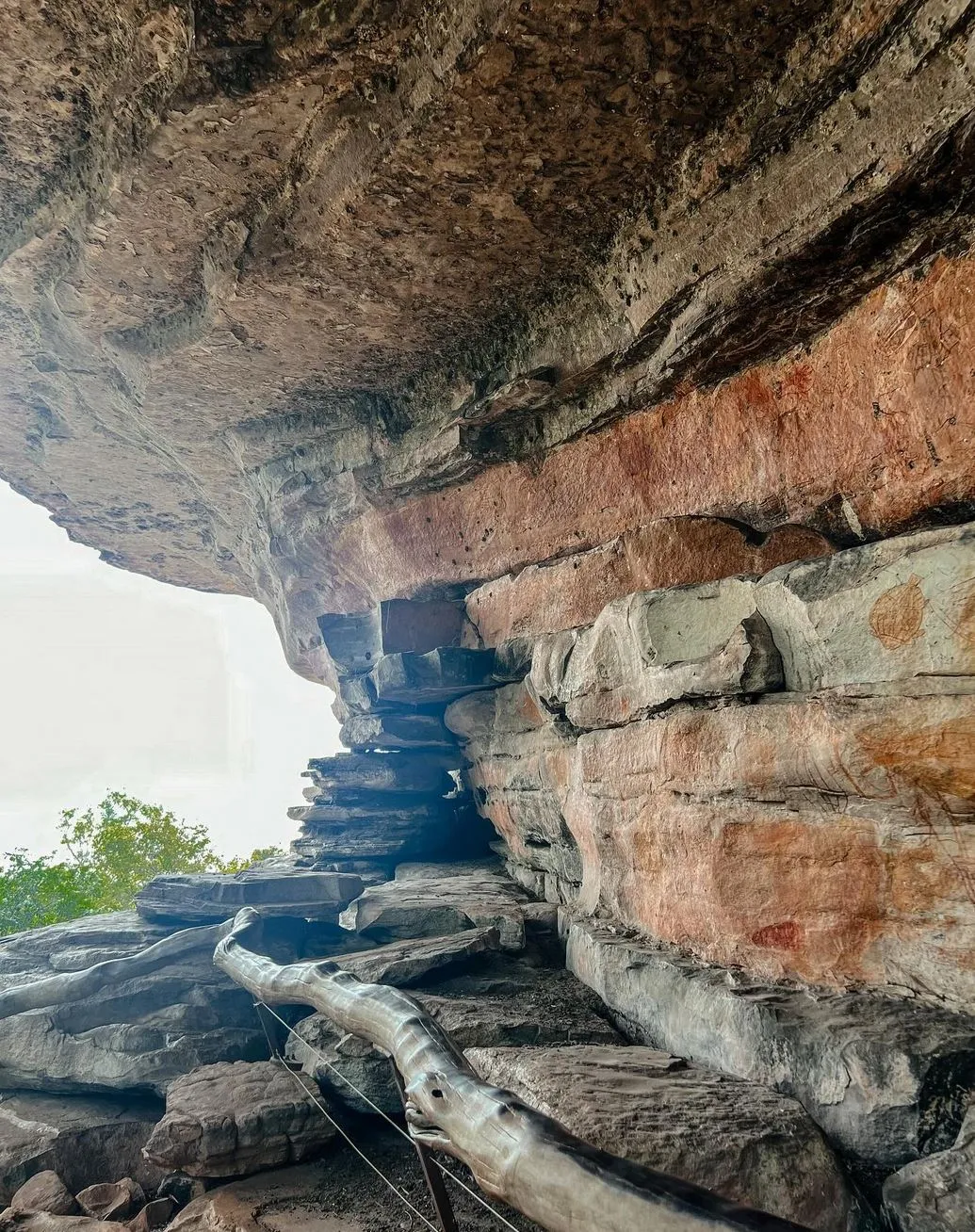
One of Kakadu’s best bits is the incredible Aboriginal rock art, some of which is over 20,000 years old. Cultural sites like Ubirr, Burrungkuy (Nourlangie) and Nanguluwurr have interpretive signage that tells you about the beliefs and daily life of the Indigenous people. These ancient sites depict creation stories, hunting scenes and spiritual figures that are still important today.
These sacred sites are part of Kakadu’s vast cultural landscape. They’re not just historical relics but living representations of Indigenous culture, maintained through generations of oral history and day-to-day management. The cultural significance of these places is huge, giving visitors a rare opportunity to connect with one of the oldest continuing cultures on earth.
Cultural Heritage and Indigenous Values
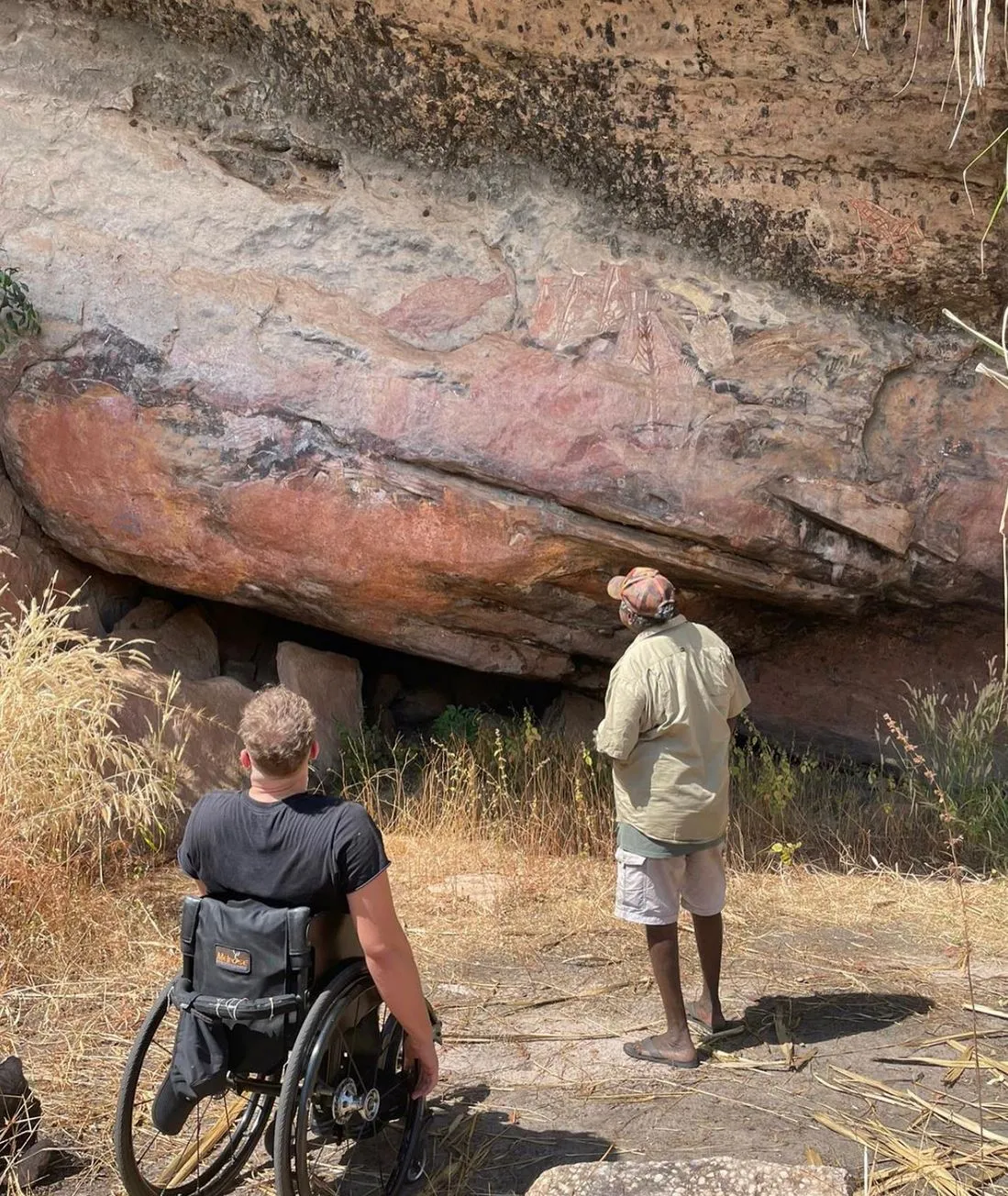
Kakadu is co-managed by Parks Australia and the Bininj/Mungguy people, the traditional owners who have been connected to the land for over 65,000 years. Their knowledge, passed down through stories and ceremonies, is integral to the park’s conservation and education programs. Cultural experiences like guided walks, storytelling sessions and art demonstrations let you engage with this rich culture firsthand.
Understanding how the park is managed day to day gives you insight into how cultural and natural values are balanced. Indigenous rangers and custodians work alongside environmental scientists to protect the park from invasive species and ecological threats while preserving sacred traditions. This is what makes Kakadu a model of sustainable tourism.
Breathtaking Landscapes and Seasonal Shifts
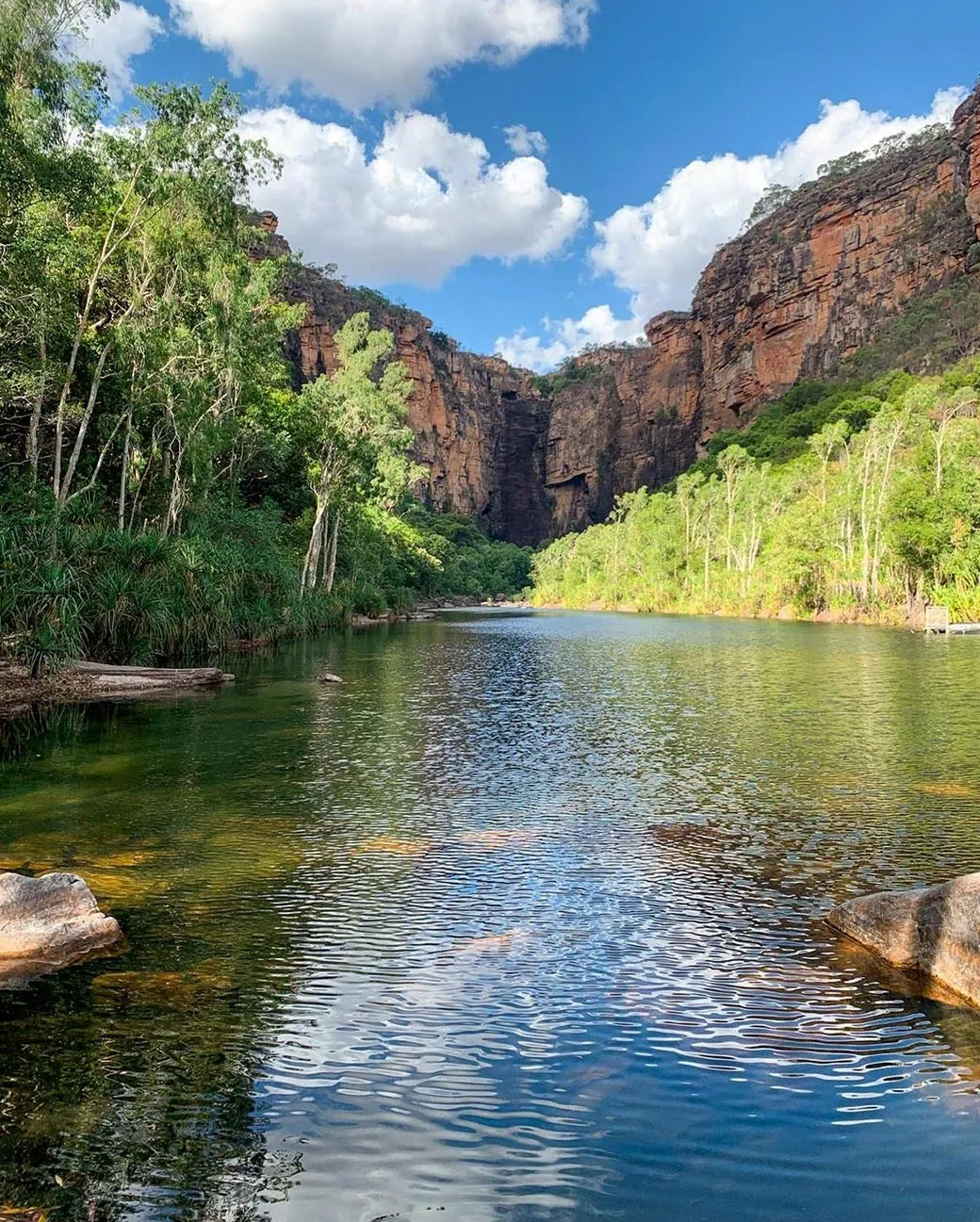
Kakadu has six seasons, each with different weather patterns and environmental changes. The wet season fills the landscape with dramatic waterfalls, fast-flowing rivers and lush greenery. The transition to the cold weather season reveals peaceful wetlands, blooming plants and thriving wildlife.
Scenic flights in the wet season offer stunning views of famous waterfalls like Jim Jim and Twin Falls cascading through rugged escarpments. These beautiful waterfalls, fed by seasonal rains, pour into crystal clear water below. On the ground, you can take in the efficiency of the park with sunrise hikes or sunset moments at lookouts like Nawurlandja.
Nearby Destinations to Add to Your Trip
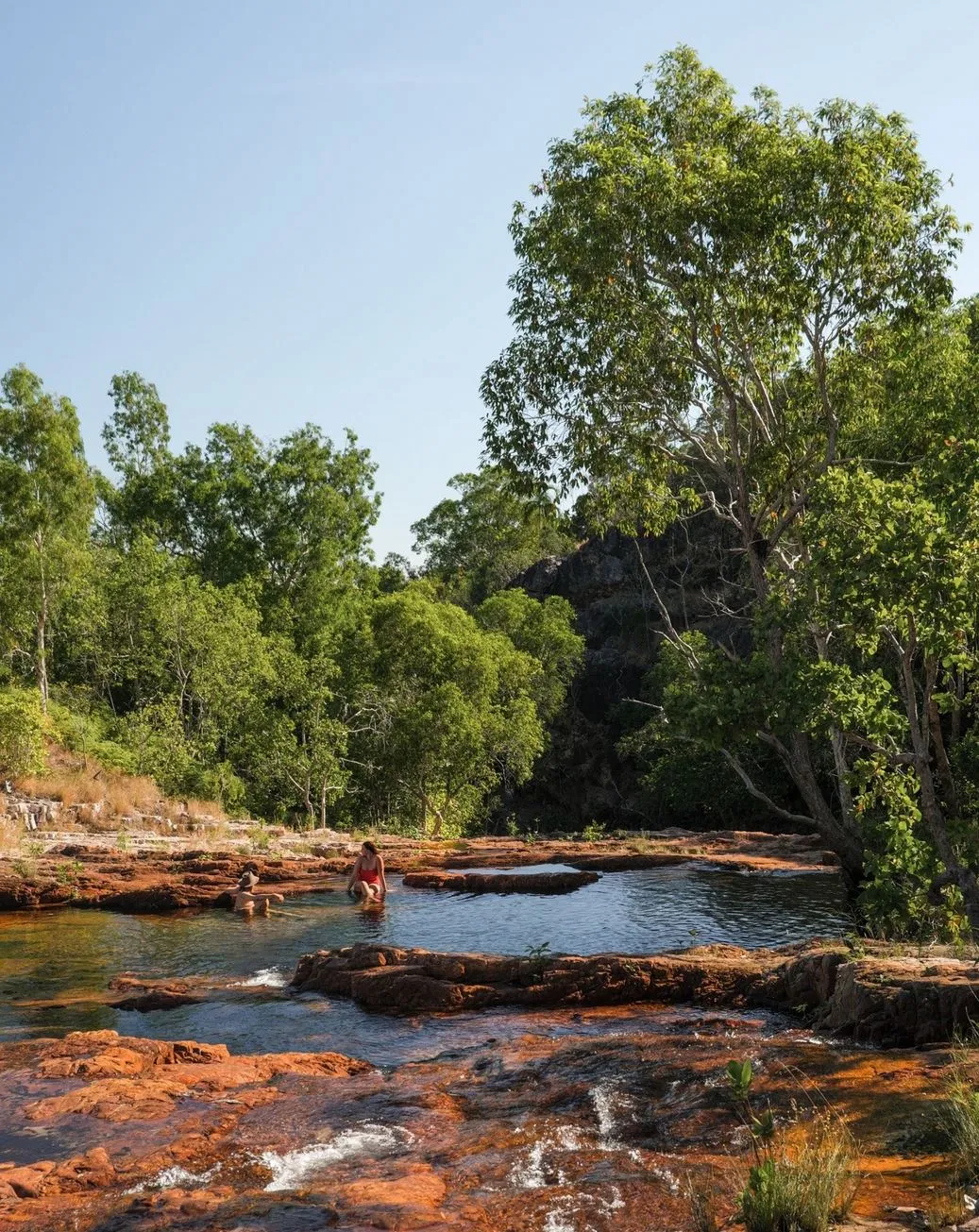
If you want to extend your Top End adventure, Litchfield National Park and Nitmiluk Gorge are within driving distance and offer similar ecosystems and landscapes. These places are known for their natural swimming holes and sandstone cliffs and complement Kakadu’s offerings and are a great addition to any itinerary.
Visitor Experience and Travel Tips
Kakadu has something for every kind of traveller. Adventure seekers can tackle rugged hiking trails, join boat cruises to spot crocs, or fly over waterfalls in the wet season. Families and culture lovers can enjoy interpretive centres, educational signage and accessible cultural experiences that tell the park’s stories.
Camping is available throughout Kakadu from basic bush camps to well-equipped sites. For extra comfort look for deals on flights and package tours that include accommodation, scenic flights and guided activities. If you’re short on time but want to see the highlights 3 day Kakadu tours from Darwin are a great option.
Remember a park pass is required and should be booked in advance especially during peak season.
FAQ
When is the best time to visit Kakadu National Park?
The dry season (May to October) is best for accessing remote areas and hiking trails. The wet season is unique with full waterfalls, vibrant vegetation and fewer crowds.
Are there crocodiles in Kakadu?
Yes. Kakadu has freshwater and saltwater crocodiles. Always follow safety signs and only swim in designated areas.
What wildlife can I see?
Kakadu is home to many species including wallabies, dingos, crocodiles, birds, reptiles, amphibians and insects. You might also see fish species like barramundi and unique birds like jabiru or kingfisher.
Can I visit cultural sites and see rock art?
Yes. Kakadu’s rock art sites are some of the most significant in the world. Ubirr, Burrungkuy and other sites have interpretive signage and ranger talks that explain the history and meaning of the art.
Do I need a permit or pass to enter the park?
Yes. A park pass is required and can be purchased online or at visitor centres. The fees support conservation, cultural site protection and the fight against invasive species.